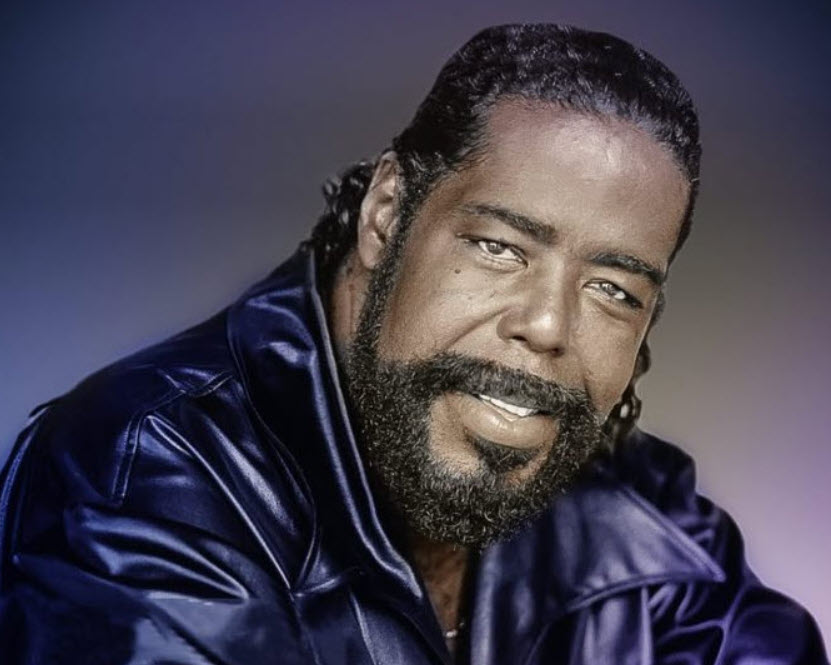
1944 — 2003
Barry
White
The Maestro of Love. Architect of orchestral soul. The voice that turned music into an act of devotion.
▶ Press Play100M+
Records Sold
41
Studio Albums
2
Grammy Awards
1944 — 2003
The Maestro of Love. Architect of orchestral soul. The voice that turned music into an act of devotion.
▶ Press PlayDiscography
Thirty-second previews via Apple Music. Press play — let it fill the room.




Biography
Barry Eugene Carter was born on September 12, 1944 in Galveston, Texas, and raised in South Central Los Angeles. His childhood was defined by hardship — his parents separated when he was young, and by his early teens he had already spent time incarcerated. Music saved him.
He taught himself piano, discovered an extraordinary bass-baritone voice, and began working as a session musician and arranger in the 1960s. After failed attempts to launch artists through his own label, he turned the camera on himself — and the world would never sound quite the same.
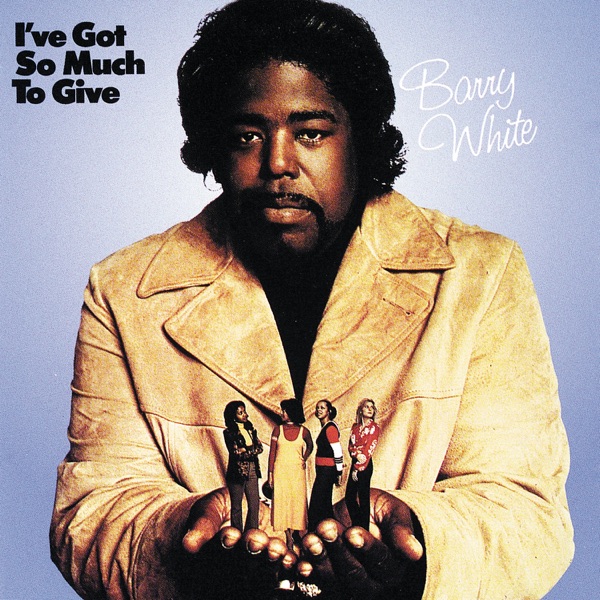
His 1973 debut "I've Got So Much to Give" introduced a new vocabulary for romantic music: lush strings, pulsing orchestration, spoken-word interludes, and that voice — low, unhurried, intimate. He wasn't singing at you. He was singing for you.
At his peak in the mid-1970s, Barry White was one of the biggest-selling artists on earth. He produced, arranged, conducted, and sang — a complete auteur of soul, as much composer as performer.
I believe in love. I believe in it so much that I've dedicated my entire life to it — my music, my family, my soul.
— Barry White
Legacy
Long before producers were credited as auteurs, Barry White wrote, conducted and produced his own orchestral arrangements — strings, brass, rhythm — layered into something cinematic. He was Quincy Jones and the frontman in one.
His bass-baritone was not simply deep — it was calibrated. Phrasing, breath, timing. He could speak a lyric and make it feel more intimate than anything sung at full voice. There is no one like it before or since.
From Ally McBeal to South Park to countless film soundtracks, Barry White became shorthand for romance itself. His music is embedded so deeply in culture it no longer needs introduction.
Artists from R. Kelly to Maxwell to John Legend openly cite Barry White as foundational. The orchestral neo-soul movement of the 1990s is inconceivable without his template. His fingerprints are everywhere.
Listen in Full
Stream the complete catalog — every album, every arrangement, every whisper.