Gerhard Richter abstract painting

b. 1932 · Dresden, Germany

Gerhard
Richter

Painter. Photographer. Sculptor. The artist who dismantled the boundary between figuration and abstraction, between photograph and paint, between memory and blur.

View Works About the Artist
60+
Years Active
$46M
Auction Record
4000+
Catalogued Works

Selected Paintings

The Work

Richter squeegee abstract painting
Abstraktes Bild
Oil on canvas · Squeegee series
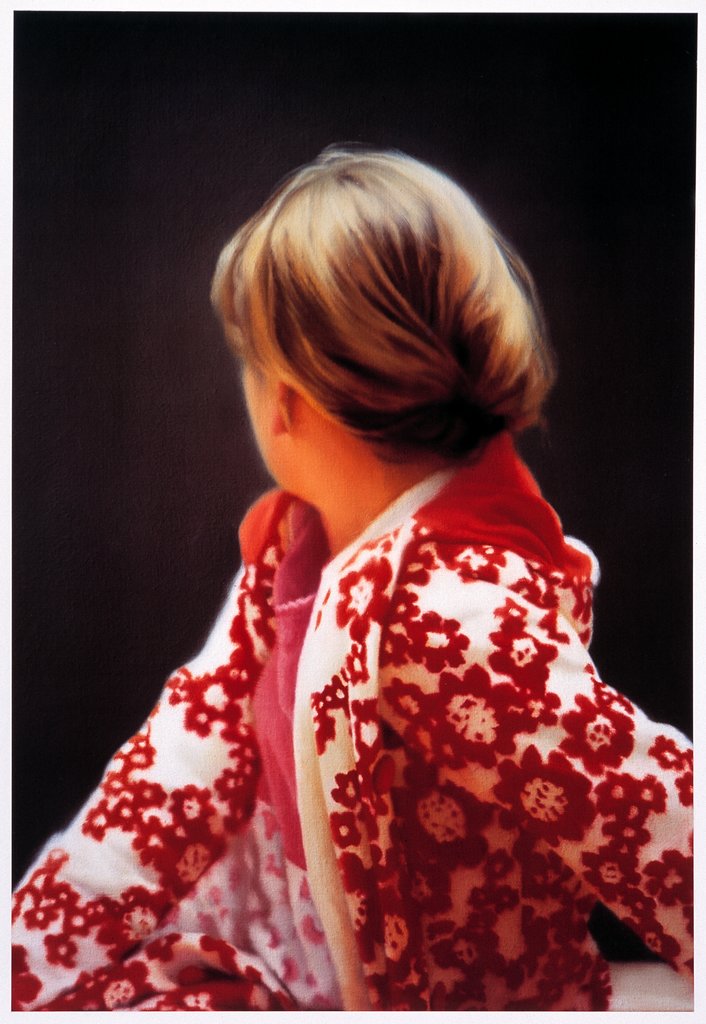
Gerhard Richter Betty 1988
Betty
1988 · Städel Museum
Richter photorealist blurred painting
Erschossener I
1988 · Photo-painting series
Gerhard Richter photorealist work
Forty Years of Painting
Retrospective survey works

Works from public institutional collections

Gerhard Richter
Born
February 9, 1932
Dresden, Germany
Based
Cologne
since 1983
Education
Kunstakademie Düsseldorf
Practice
Painting · Glass · Photo

The Artist

Between Painting
and Doubt

Gerhard Richter is widely regarded as one of the most significant artists of the post-war era. Born in Dresden in 1932, he studied under Socialist Realism before defecting to West Germany in 1961 — just weeks before the Berlin Wall rose.

His practice refuses category. Working in parallel across photorealistic blurred paintings, squeegee-dragged abstractions, photo-based works, and large-scale glass installations, Richter questions the very nature of representation.

The deliberate blur — his most recognized signature — is not a stylistic tic but a philosophical position: that paint can never capture truth, only approximate it, and that beauty lives precisely in that gap.

He became the most expensive living painter at auction, yet continued working into his 90s with the same restless uncertainty that has driven his entire career.

“Painting is the making of an analogy for something non-visual and unknown.”
— Gerhard Richter

Career Chronology

Six Decades

1932
Born in Dresden
Raised in Waltersdorf and Reichenau under the Third Reich and later East Germany. Studied commercial art.
1961
Flees to West Germany
Weeks before the Berlin Wall rises, moves to Düsseldorf. Enrolls at Kunstakademie under Karl Otto Götz.
1963
First photo-paintings
Paints directly from photographs with deliberate blur — rejecting both Pop Art and Abstract Expressionism simultaneously.
1971
Professorship
Appointed professor at Kunstakademie Düsseldorf, a position he holds until 1993.
1988
October 18, 1977
Paints the 15-canvas October 18, 1977 cycle — a landmark reckoning with Germany's RAF terrorist episode. Now at MoMA, New York.
2002
MoMA Retrospective
Major retrospective Forty Years of Painting at MoMA New York — cementing his place among the 20th century's defining painters.
2012
Auction record — $46M
Abstraktes Bild (809-4) sells at Sotheby's London for £21.3M — the highest price for a living artist at the time.
2024
Continuing practice
In his 90s, Richter continues working from his Cologne studio. His catalogue raisonné exceeds 4,000 works.

Permanent Holdings

Major Collections

New York
MoMA
Museum of Modern Art. Holds the complete October 18, 1977 cycle plus multiple abstract works.
Cologne
Museum Ludwig
One of the largest Richter holdings in the world. Located in his home city.
London
Tate Modern
Major holdings of photo-paintings and abstract works across multiple decades.
Frankfurt
Städel Museum
Home to Betty (1988) — one of Richter's most recognized photorealist works.
Düsseldorf
K20 Kunstsammlung
Major survey of works from the early Düsseldorf period onward.
Chicago
Art Institute
Important holdings of Richter's works spanning multiple decades and series.

In His Own Words

Words on Painting

“I pursue no objectives, no system, no tendency. I have no programme, no style, no direction. I have no time for specialized concerns, working themes, or variations that lead to mastery.”

Notes, 1964

“We can describe love but we can't say what it looks like. Painting achieves something close to that.”

Interview, 1990

“I blur things to make everything equally important and equally unimportant. I blur things so that they do not look artistic or crafted, but technological, smooth and perfect.”

Writings

“The photograph and the painting are equally real. Neither is an original; neither is a copy. Both are pictures.”

Designed & Built in Xavior — Your Personal AI Operating System