Post-punk architects turned gothic-pop icons. From the stark minimalism of their earliest records to the lush, aching soundscapes of their prime, The Cure built an entire mood out of guitar reverb and Robert Smith’s unmistakable voice.
Explore the Catalogue →A stripped-down, nervy debut collection that announced the band’s minimalist post-punk sound to the world.
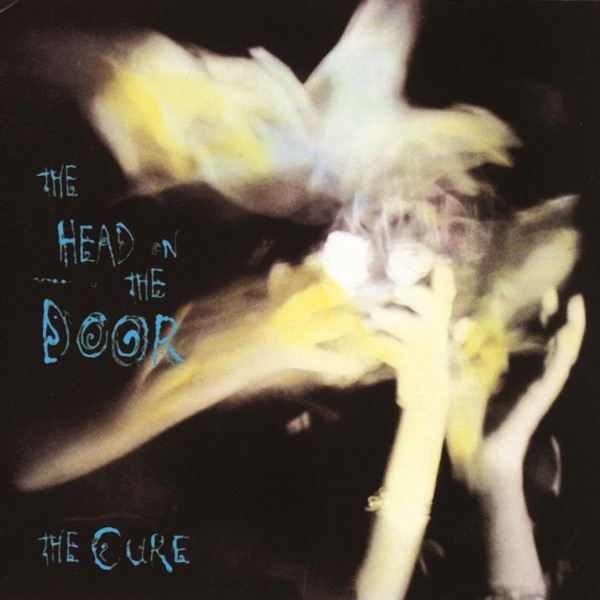
The turn toward atmosphere and dread — the first entry in what fans call the “dark trilogy.”
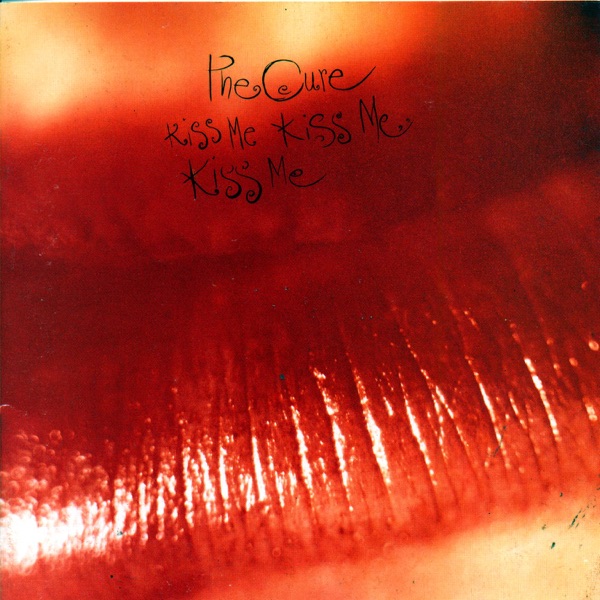
A pop breakthrough that balanced gothic textures with genuine hooks, widening the band’s audience.
A sprawling double album swinging between euphoria and despair — the sound of a band at its most expansive.
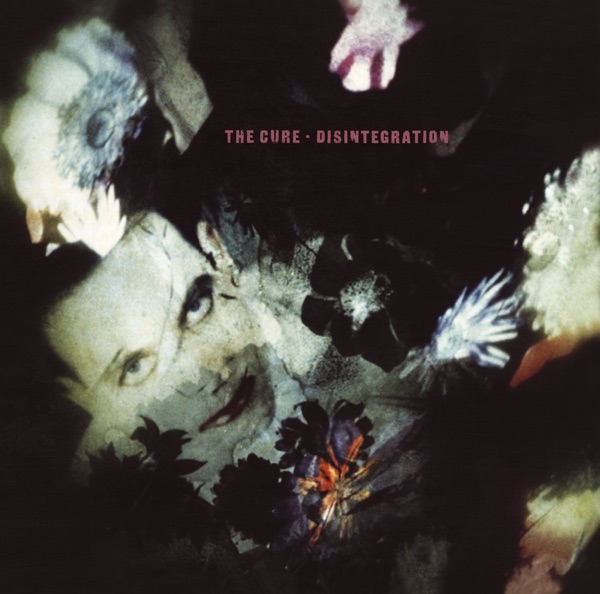
Widely considered their masterpiece — a lush, mournful, career-defining statement of mood and scale.
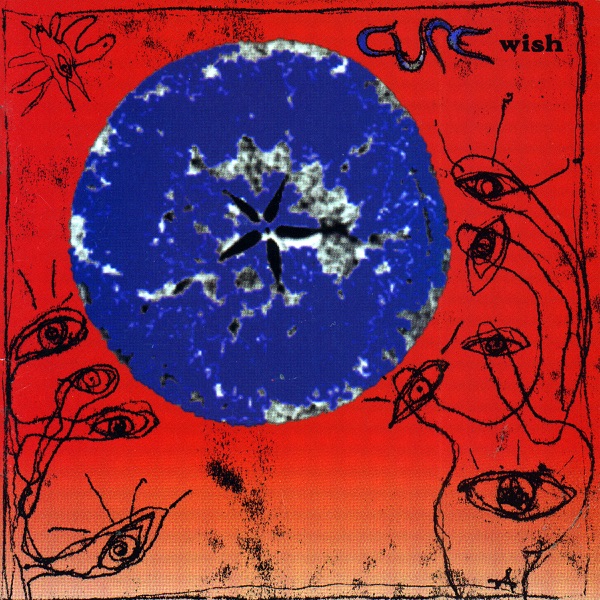
Their biggest commercial success, debuting at #1 in the UK and cementing their mainstream crossover.
Formed in 1976 in Crawley, England, The Cure emerged from the post-punk scene as one of its most idiosyncratic voices. Fronted by singer-guitarist Robert Smith — the band’s constant member and defining creative force — the group moved fluidly between stark minimalism, gothic atmosphere, and unabashed pop melody, often within the same album.
Their mid-1980s run of albums transformed them from cult favorites into one of the biggest alternative acts in the world, while never abandoning the melancholic, textured sound that made them influential to entire generations of goth, shoegaze, and indie musicians.
Inducted into the Rock and Roll Hall of Fame in 2019, The Cure remain active performers and recording artists, with a live show built as much on mood and volume as on their now-classic catalogue.
Chorus-drenched guitars, driving basslines, and cavernous reverb became a blueprint for gothic and alternative rock alike.
Smeared lipstick, teased hair, and a defiantly unglamorous aesthetic made The Cure instantly recognizable worldwide.
Moving from stark post-punk to shimmering pop within a single catalogue proved genre boundaries were optional.
From shoegaze to modern indie rock, The Cure’s fingerprints are audible across generations of guitar music.